facebook
FREE SHIPPING ON ALL ORDERS FROM U.S.A.
45-DAY RETURN POLICY
🎉 Easter Sale
 
D
 
H
  
M
  
S
My Coupons

Overview Of Powerstroke Engine

The Ford Powerstroke is one of the most recognized diesel engine platforms in the heavy-duty truck market, powering models like the F250, F350, F450, and F550 Super Duty. Since 1994, the Powerstroke series has evolved through multiple generations. This page offers a concise overview of those generations, common questions, and popular upgrade options.

Why Powerstroke Owners Upgrade Their Trucks

Many Powerstroke owners start looking for upgrades when factory components become restrictive, maintenance costs increase, or the truck no longer delivers the performance they want. Common upgrade goals include:

Lower Maintenance Burden

As Powerstroke trucks age, factory emissions-related and exhaust components can become costly to service or replace. Many owners look for upgrade paths that help reduce ongoing maintenance concerns and improve long-term dependability.

Better Performance Under Load

For towing, hauling, or heavy-duty driving, a less restrictive setup can help support better throttle response, smoother power delivery, and stronger performance under load.

Improved Exhaust Flow

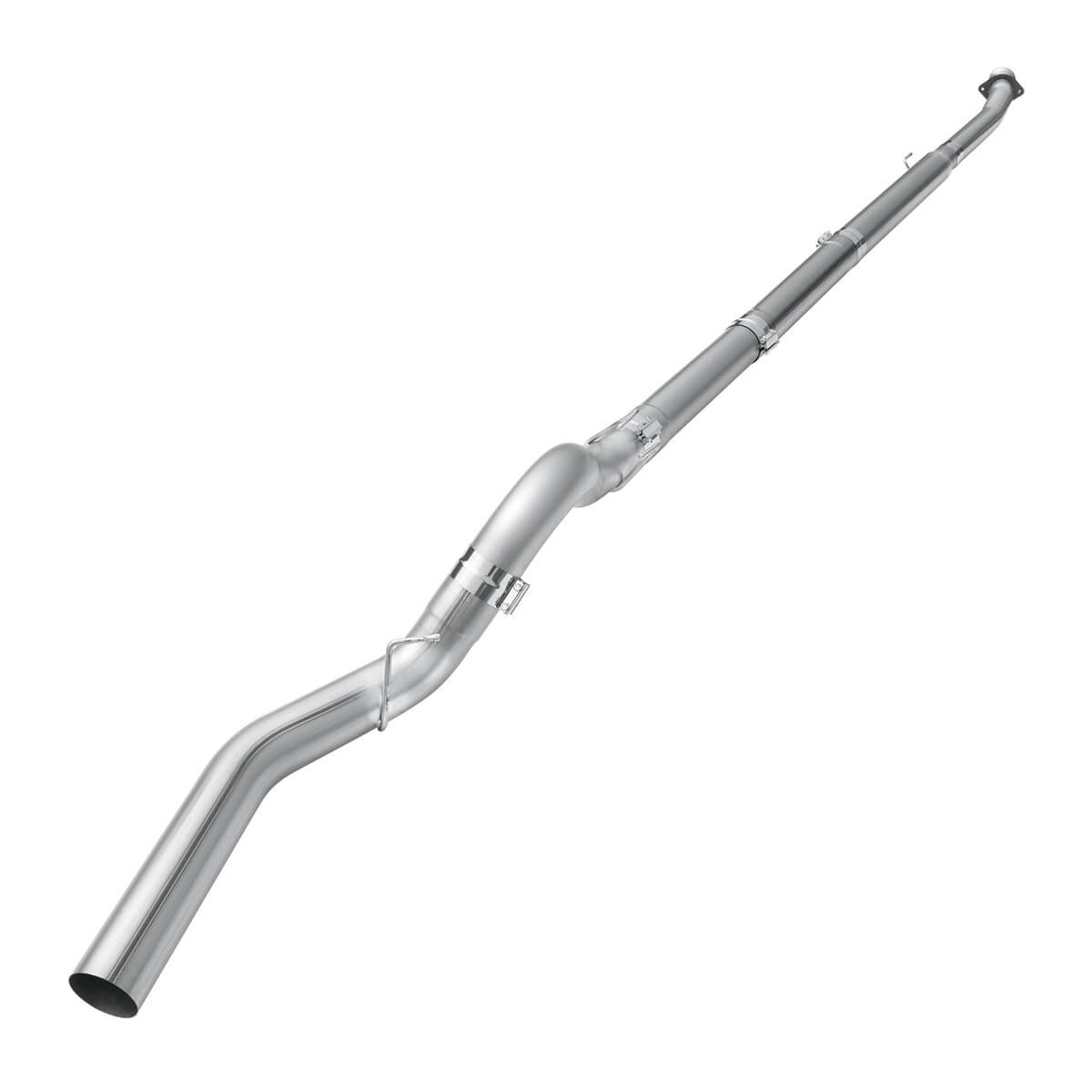
Many Powerstroke upgrades are chosen to reduce restriction in the factory exhaust path, helping the truck feel more responsive and better matched to performance-oriented setups.

Stronger Sound and Build Quality

Exhaust-side upgrades are also popular with drivers who want a deeper exhaust note and more durable aftermarket materials than worn factory components.

Shop Powerstroke Parts by Year

Browse Powerstroke engines by year range to find the most relevant parts for your truck:

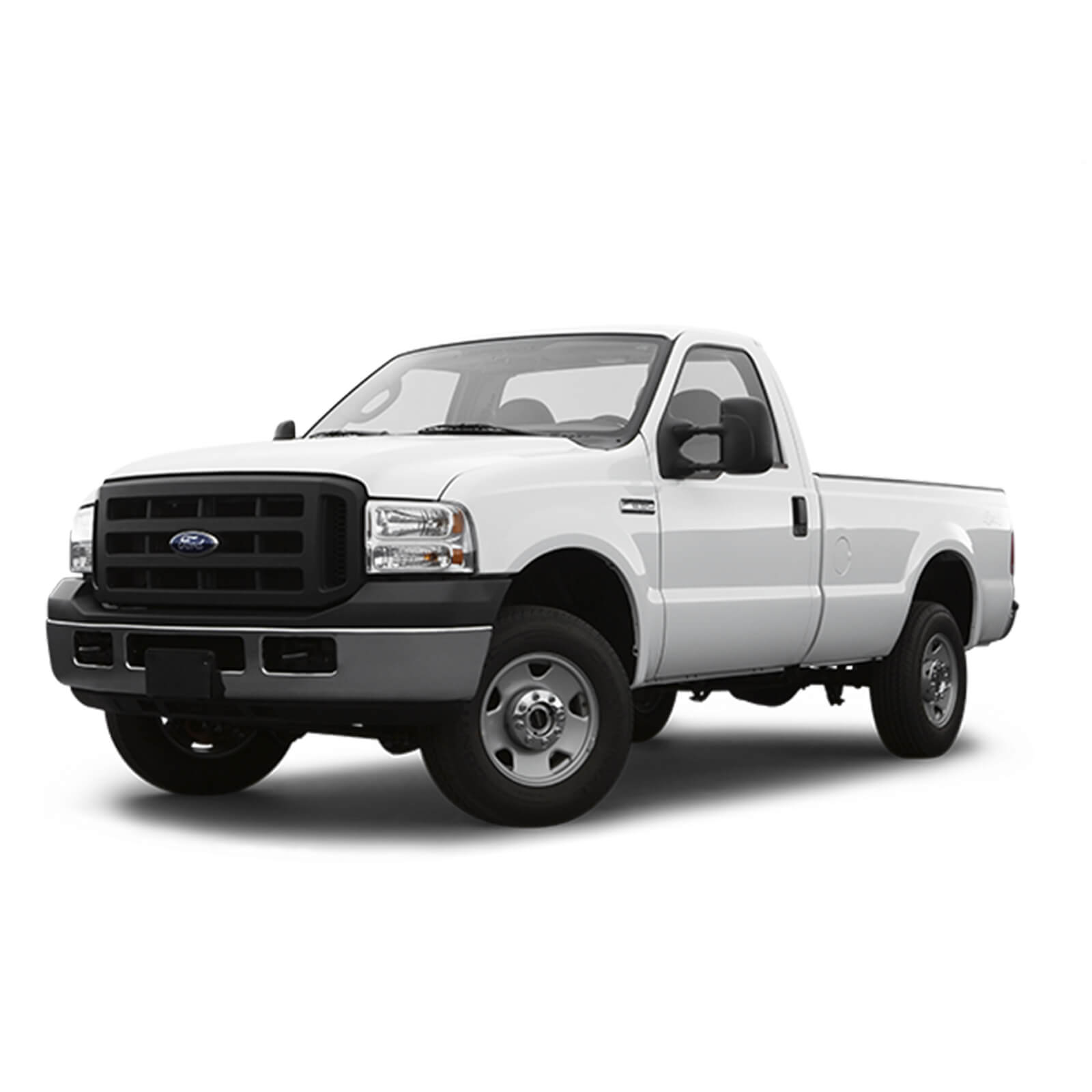
2003-2007
6.0L Powerstroke
View Products
2008-2010
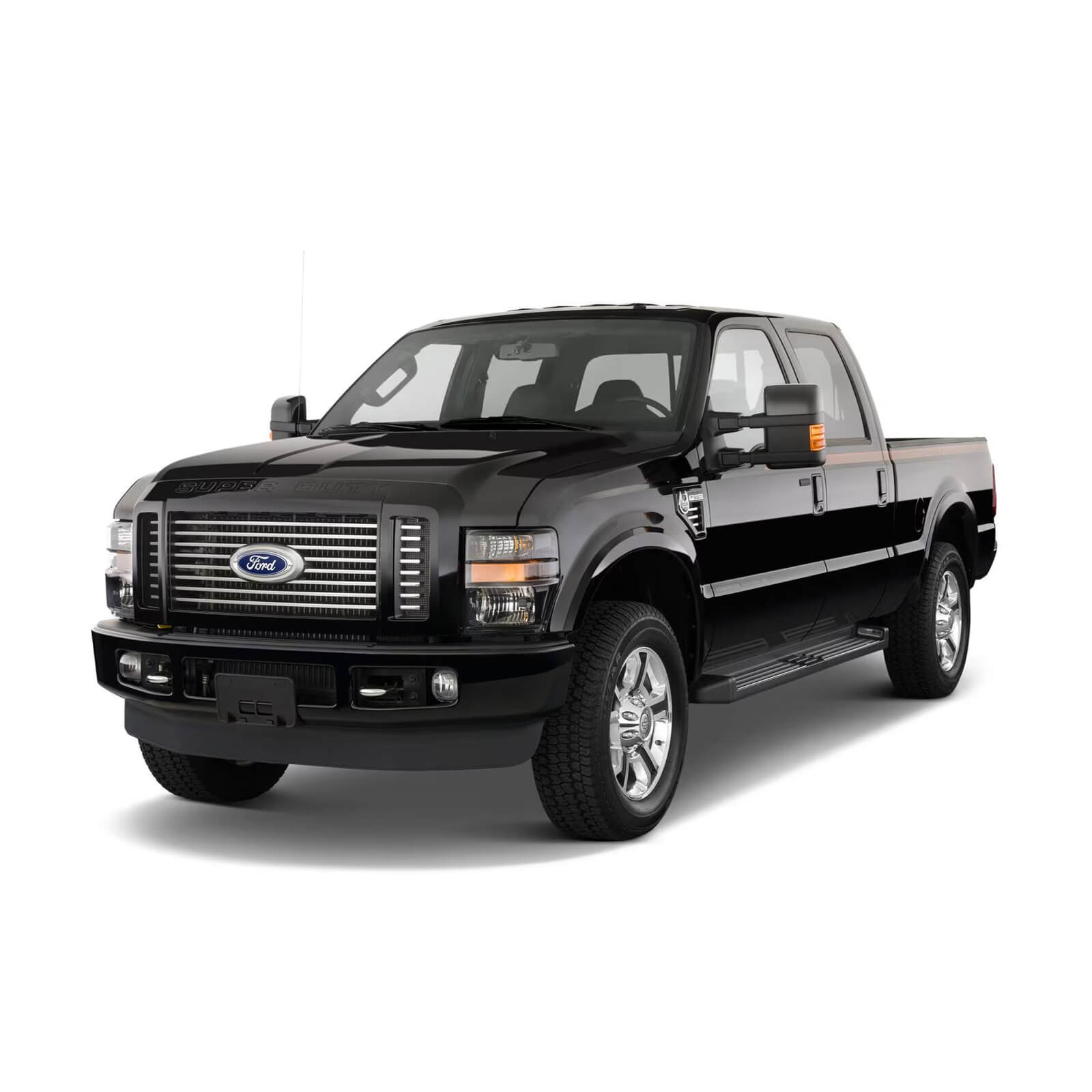
6.4L Powerstroke
View Products
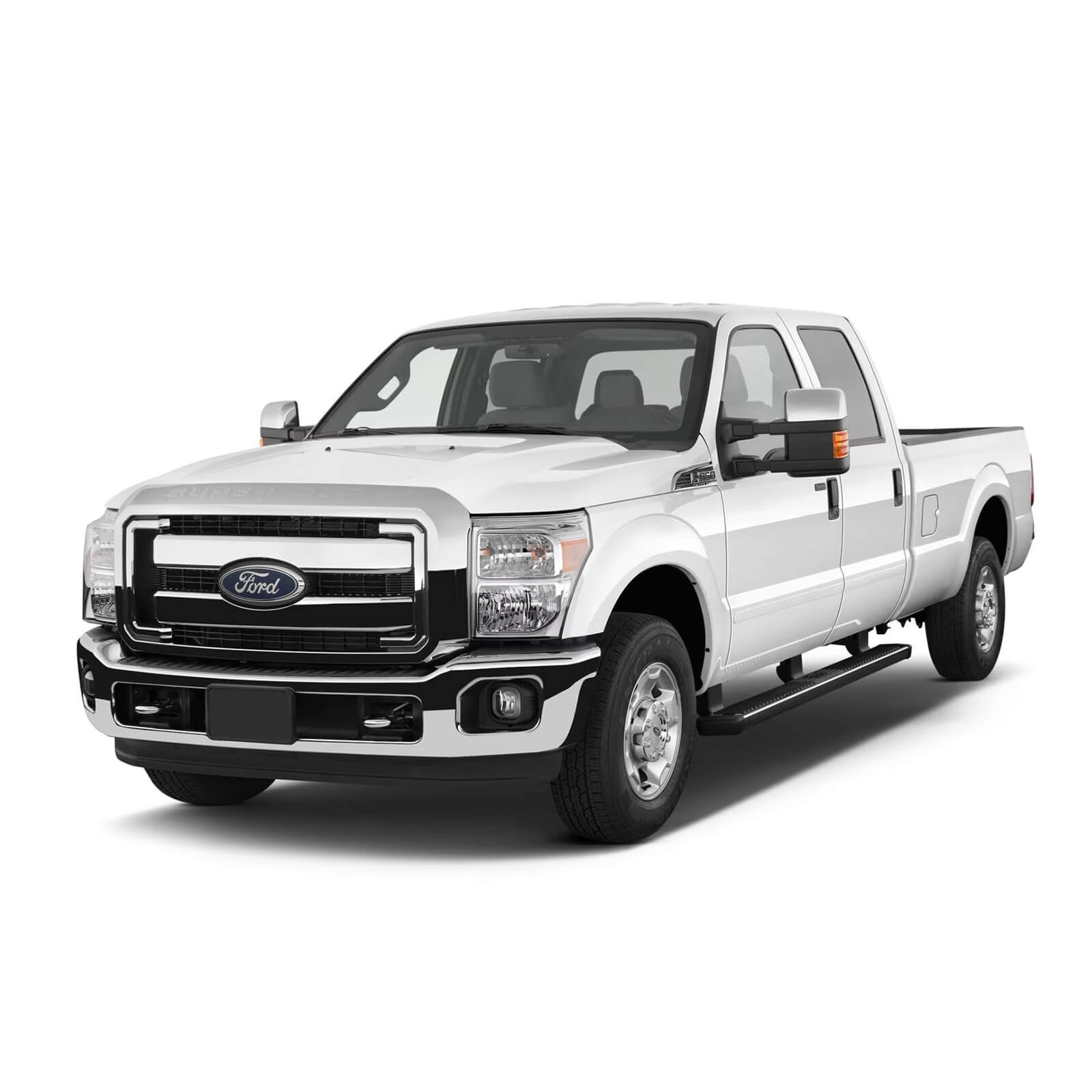
2011-2014
6.7L Powerstroke
View Products
2015-2016
6.7L Powerstroke
View Products
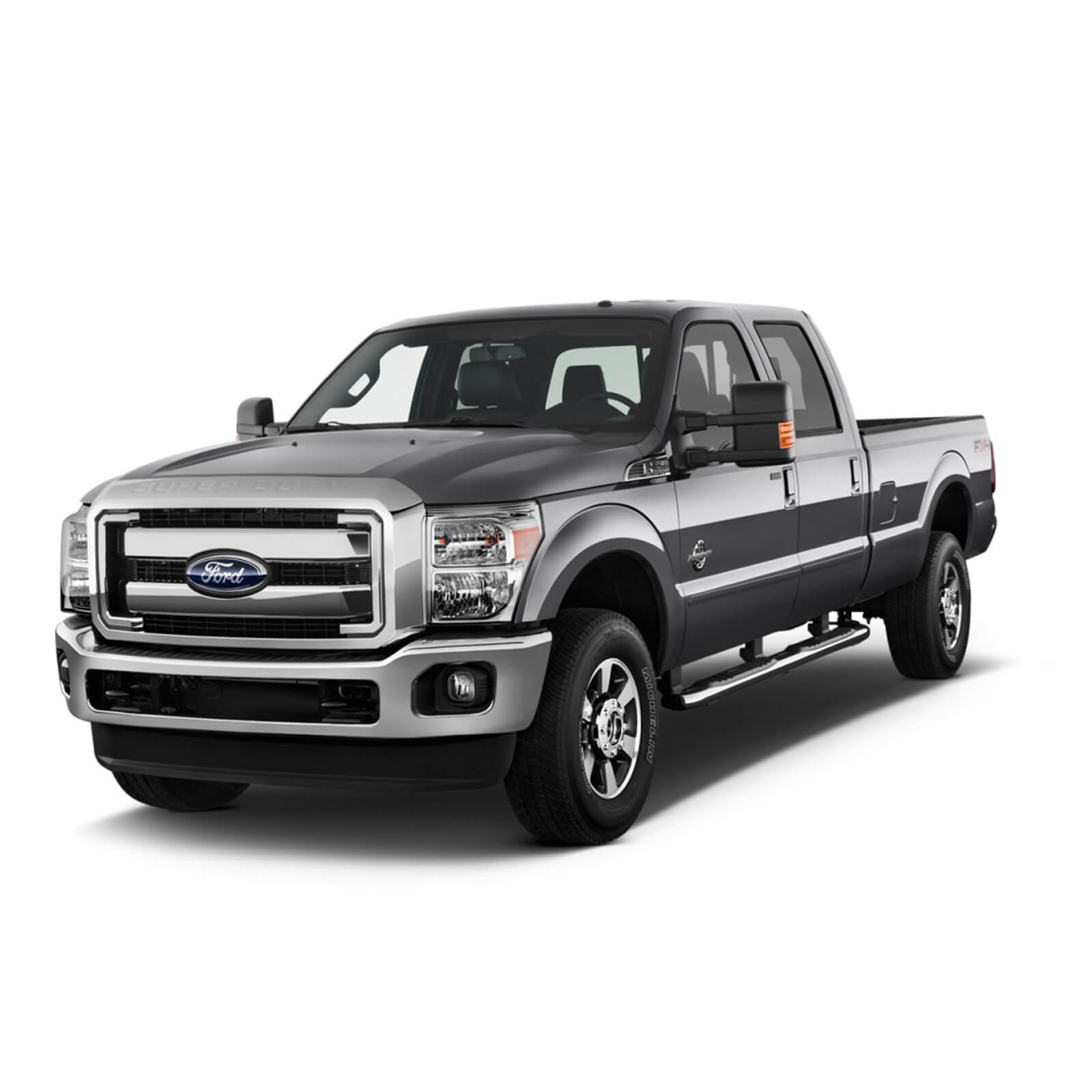
2017-2019
6.7L Powerstroke
View Products
2020-2024
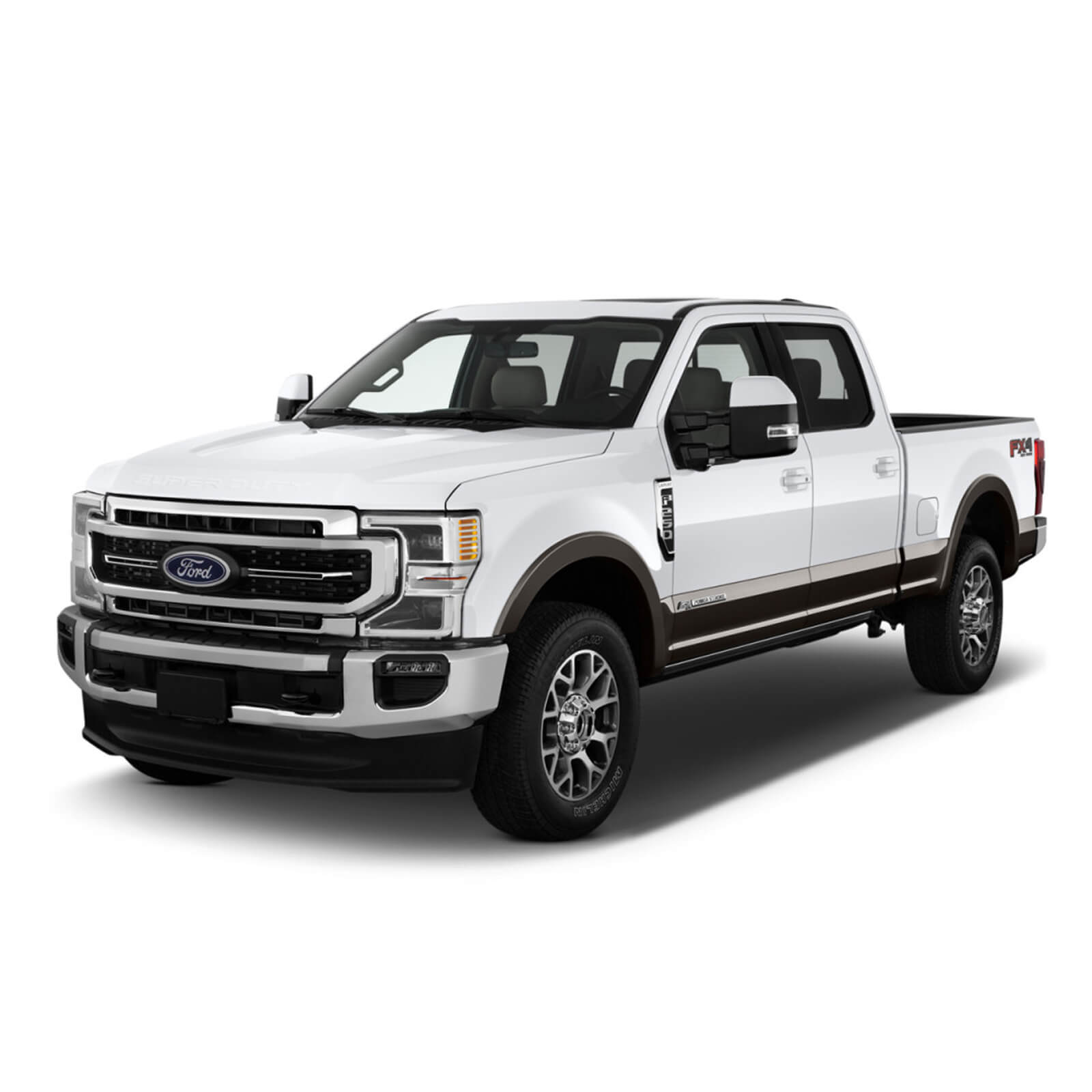
6.7L Powerstroke
View Products

Powerstroke Engine Generations Overview

7.3L V8 Powerstroke (1994-2003)

The 1994-2003 7.3L Powerstroke engine, with a lifespan exceeding 250,000 miles, is renowned as a "legendary engine" for its reliability and durability.

First Generation: 7.3L V8 Powerstroke (1994-1998)

The first-generation 7.3L Powerstroke engine, introduced in 1994, set a new benchmark for the diesel truck industry with its innovative exhaust bypass turbocharger, direct injection system with HUEI fuel injectors, and air-to-air intercooler. Initially used in the Ford Super Duty truck, it quickly gained a reputation for its exceptional performance and durability.

Second Generation: 7.3L V8 Powerstroke (1999-2003)

The second-generation 7.3L Powerstroke engine, produced from 1999 to 2003, featured significant improvements over its predecessor. This generation of engines features larger injectors, a new turbocharger, an electric fuel pump, and an air-to-air intercooler, making it a favorite among diesel enthusiasts and scrap dealers.

Specifications:

  • Manufacturer: Navistar
  • Horsepower: 275 hp
  • Torque: 525 lb-ft

Common Issues

  • Exhaust manifold leaks
  • Upper exhaust pipe leaks
  • Fuel pressure regulator failure
  • Fuel filter clogs
  • Cooling system overload and overheating

Typical Upgrade Options

  • Exhaust manifold upgrade
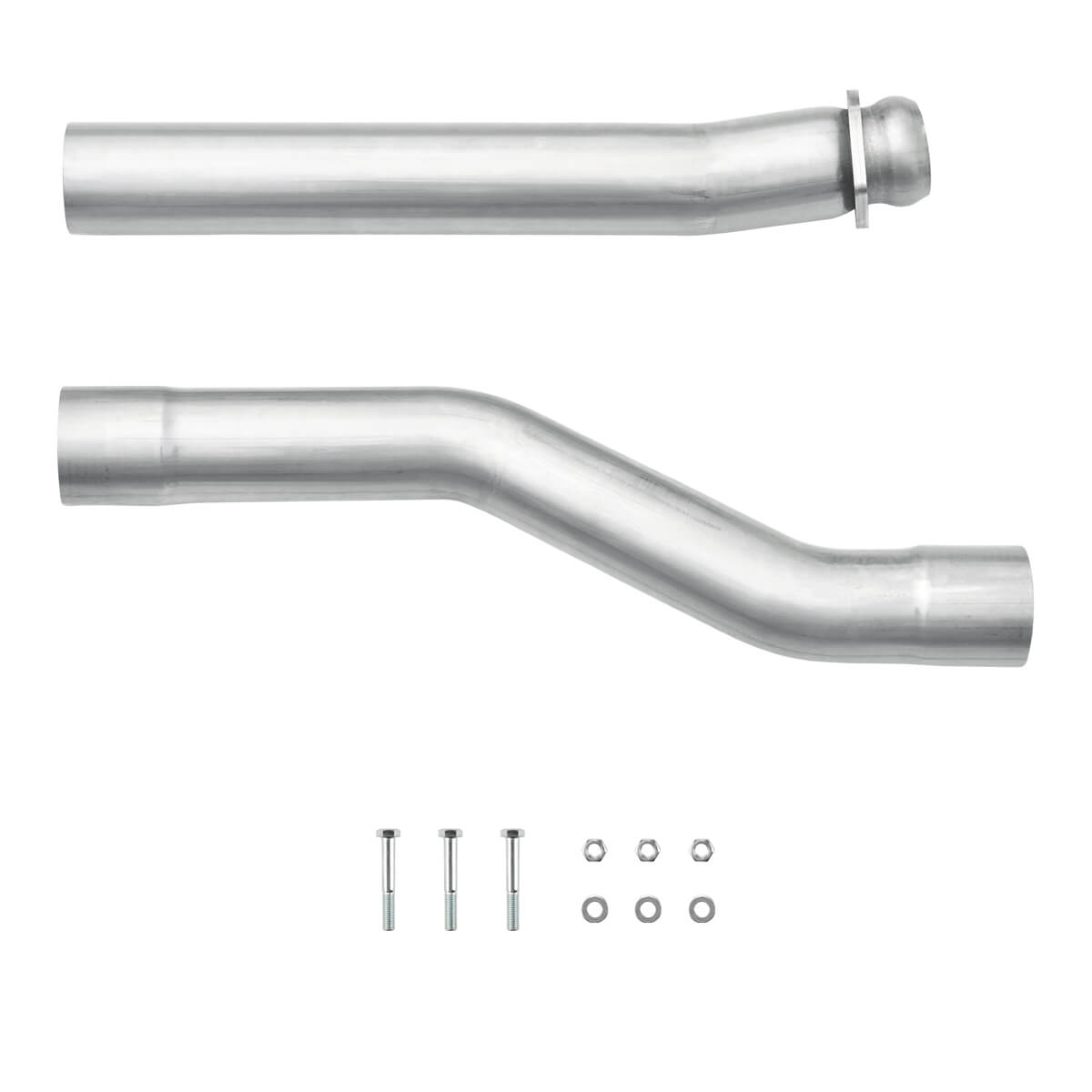
  • Upper exhaust pipe replacement or upgrade
  • Fuel system maintenance or filter kit upgrade
  • Cooling system maintenance and upgrades

6.0L V8 Powerstroke (2003-2007)

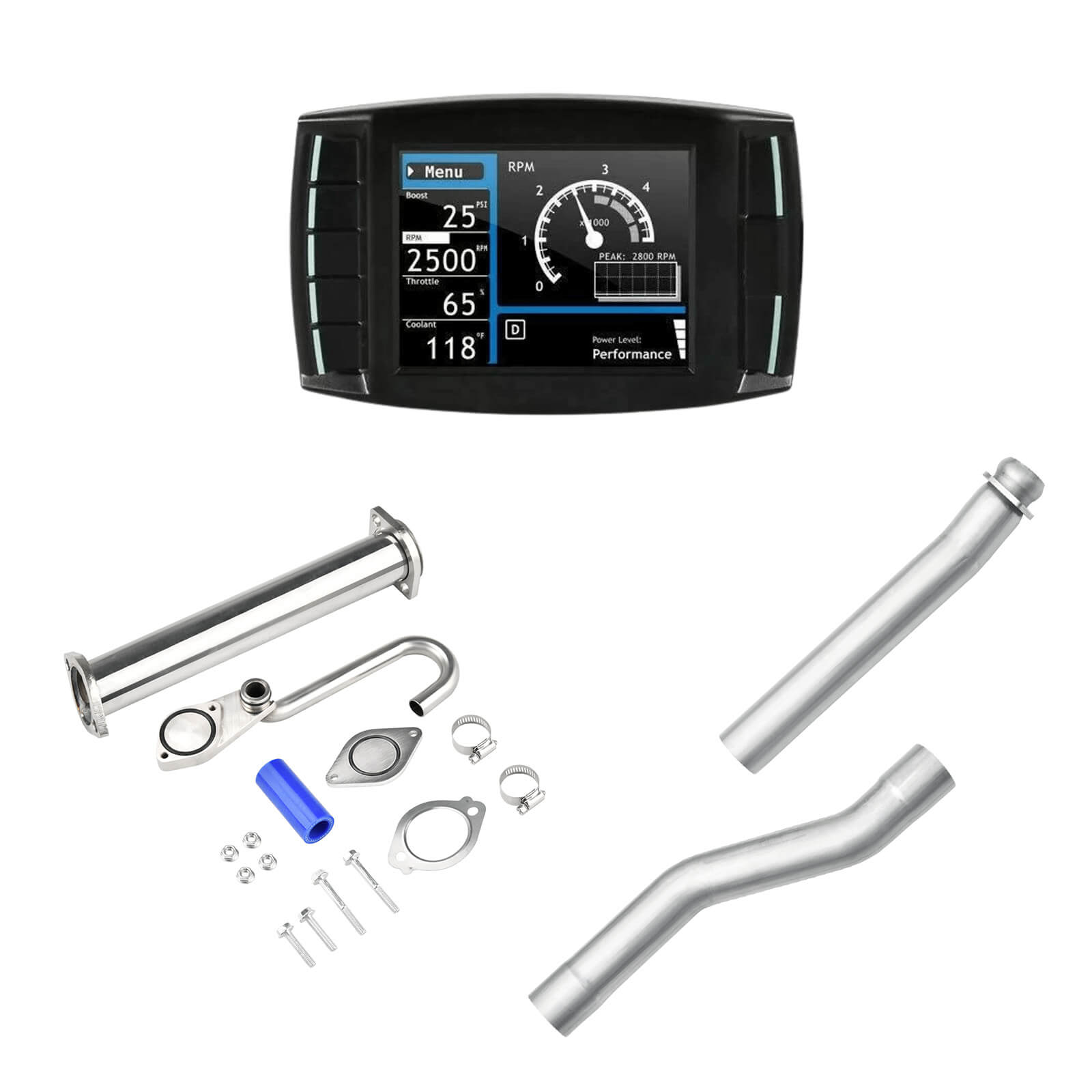
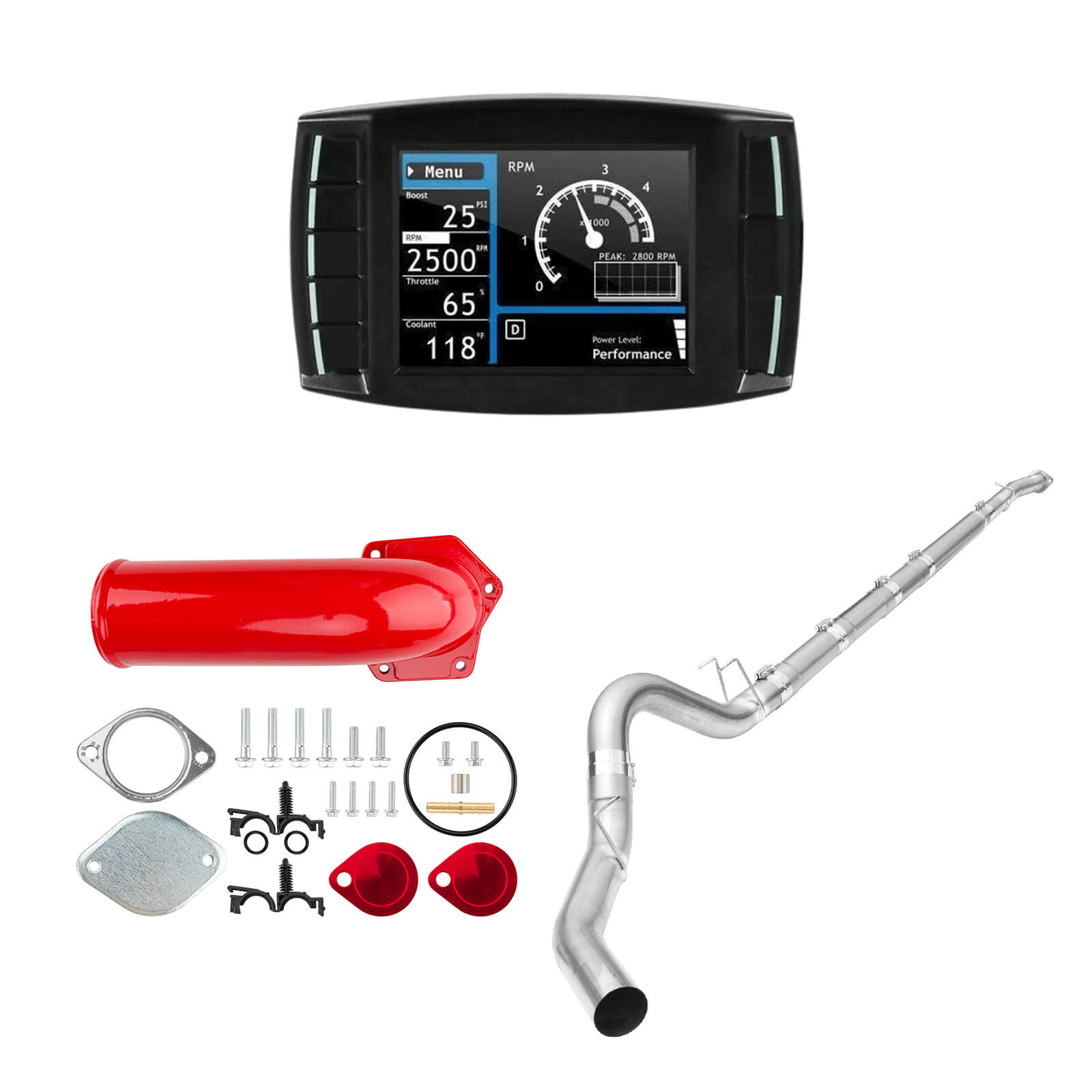
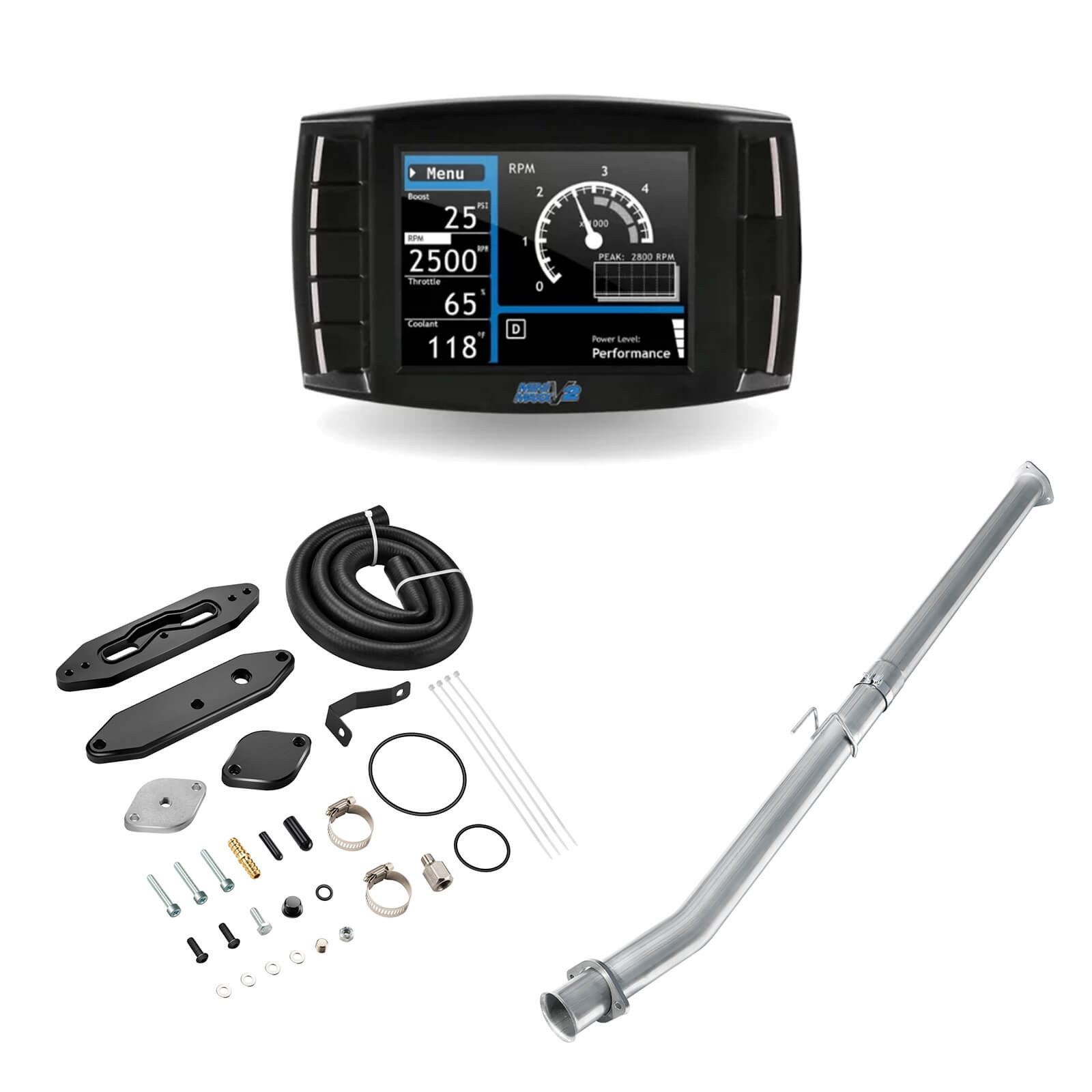
Diesel All-in-One-Kit
View More
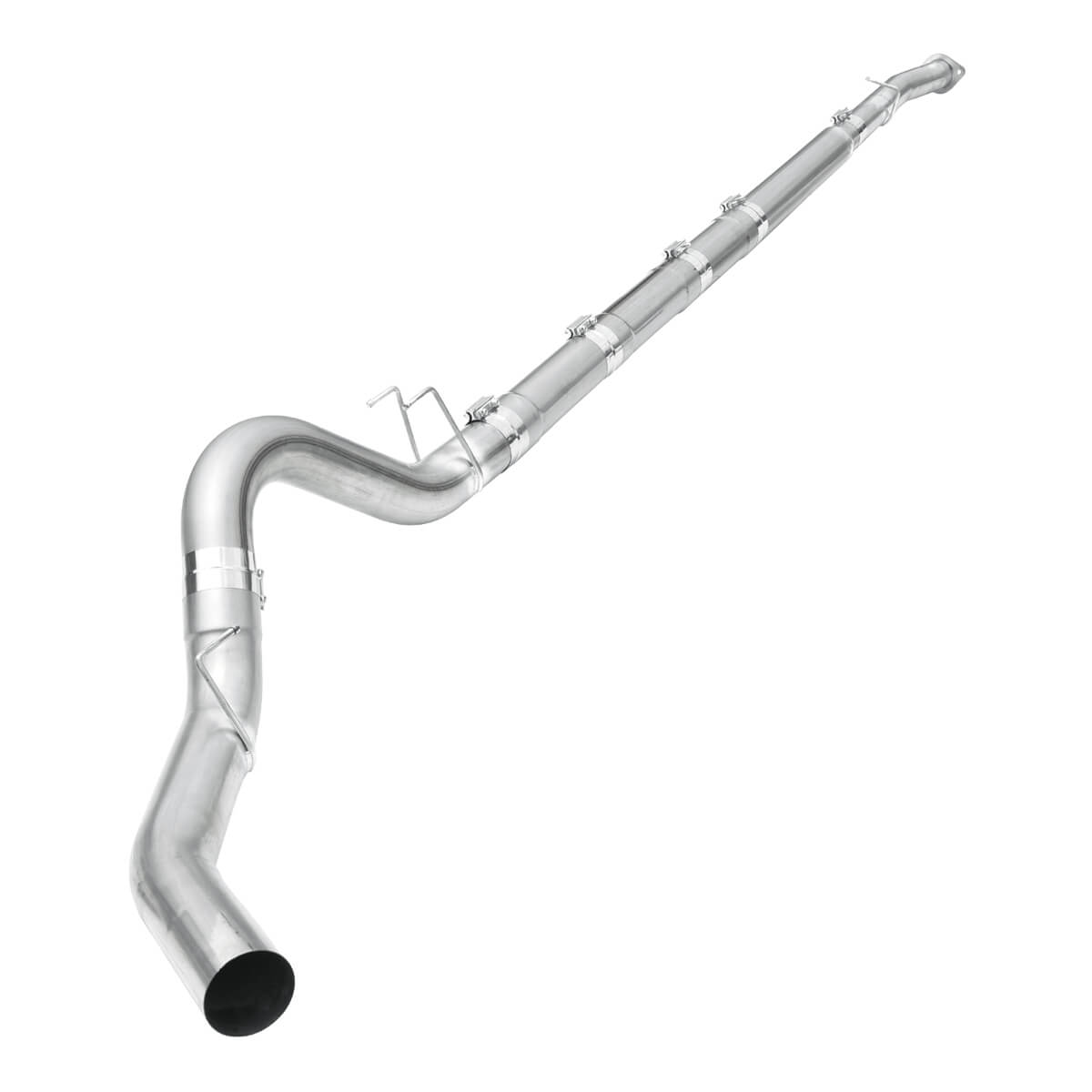
DPF Delete Kit
View More
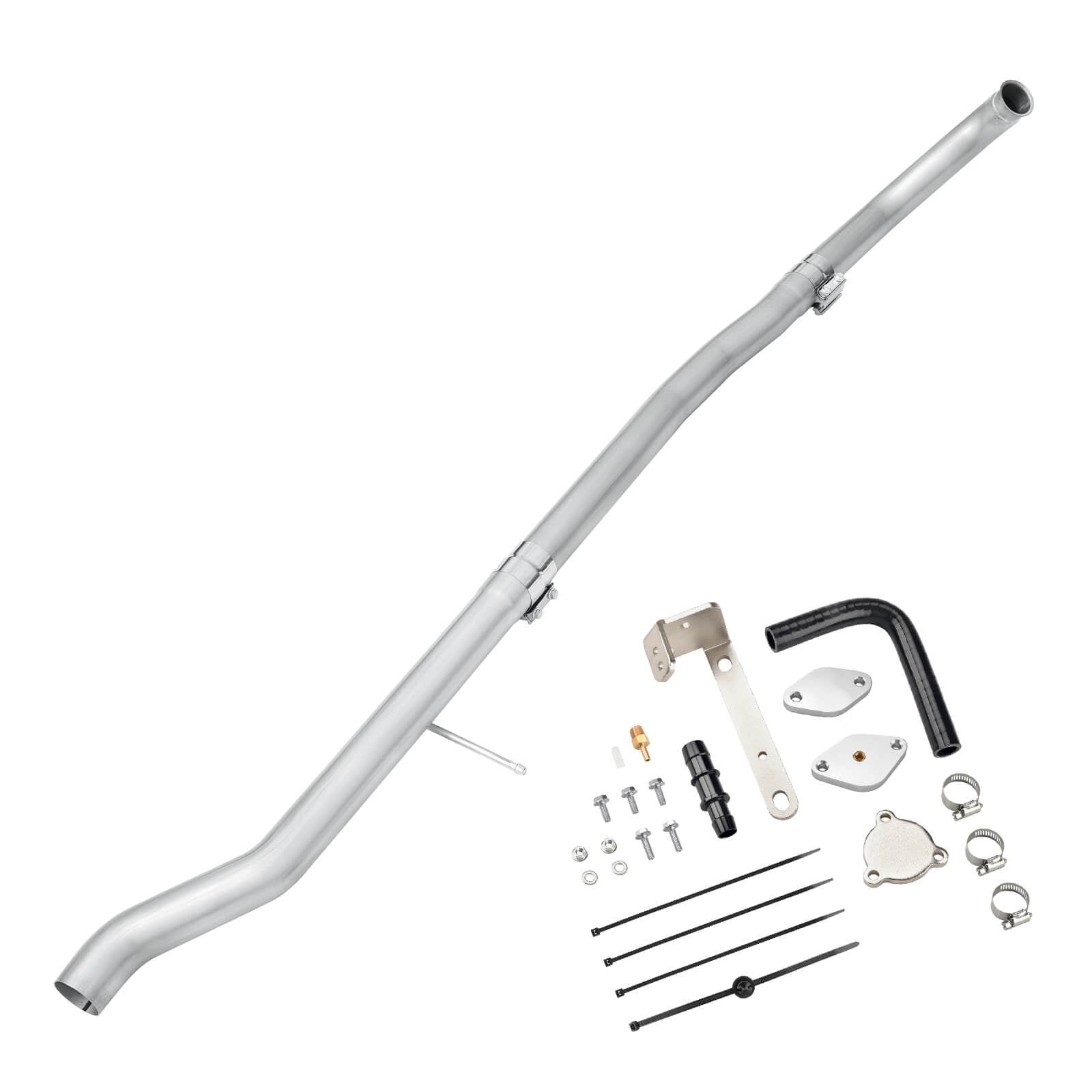
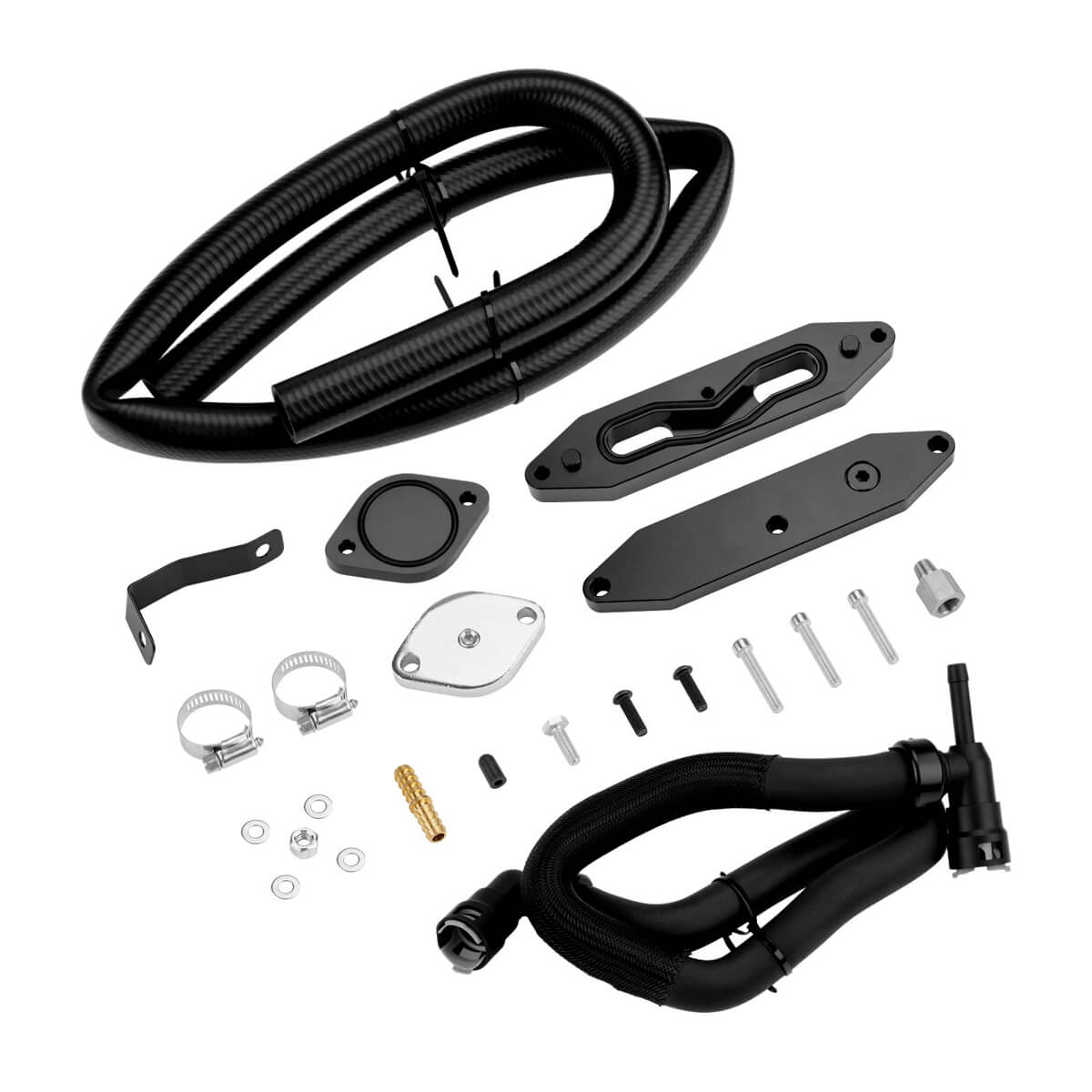
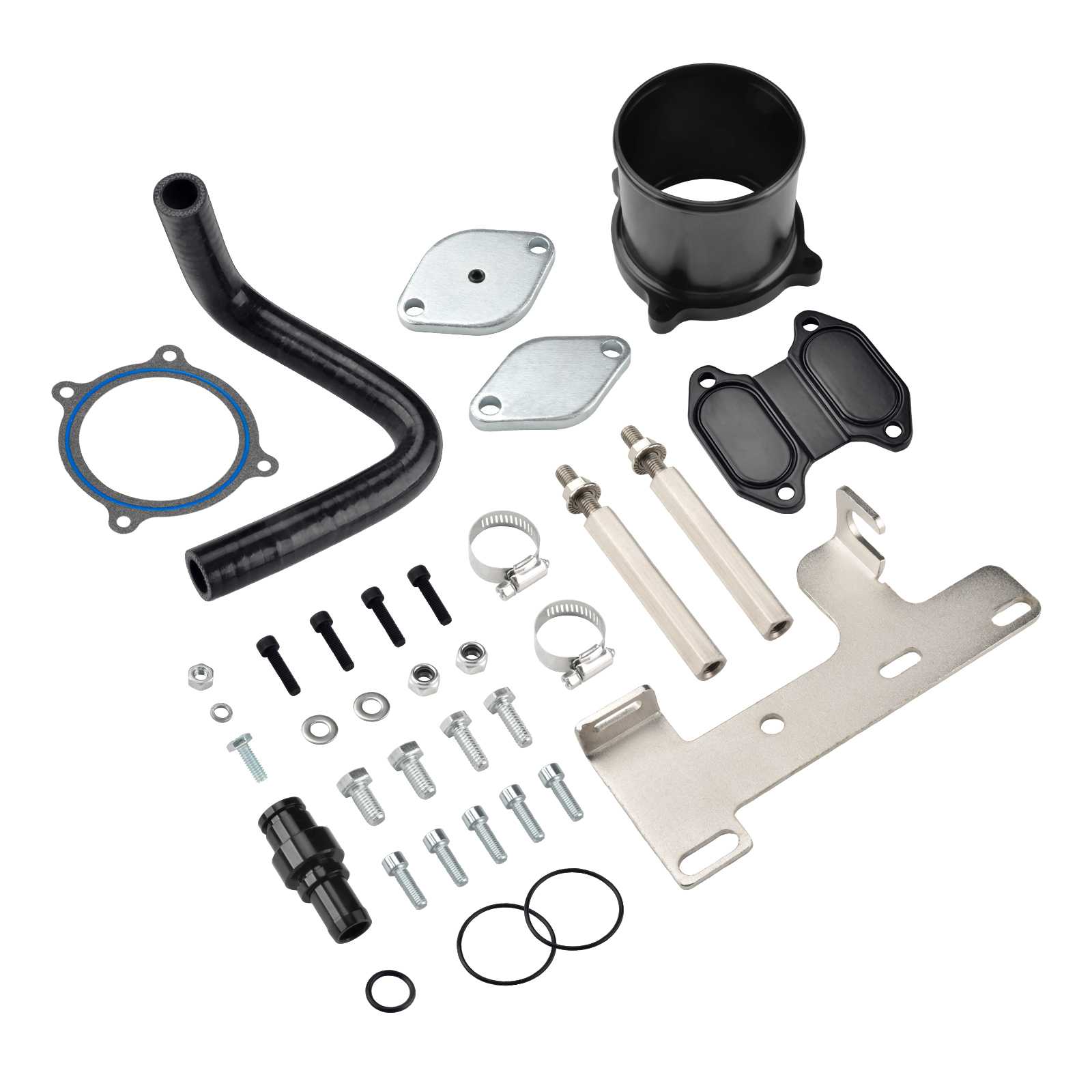
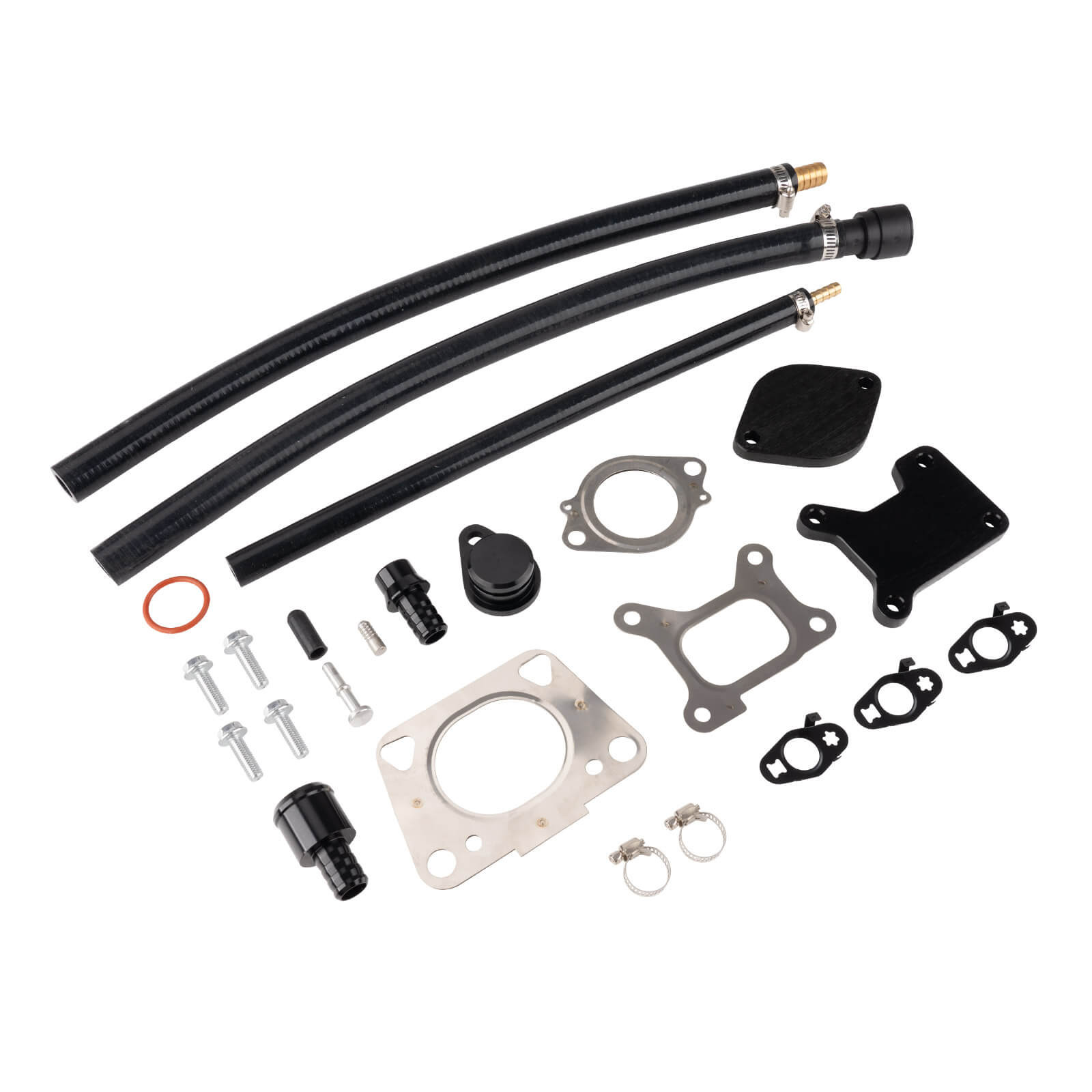
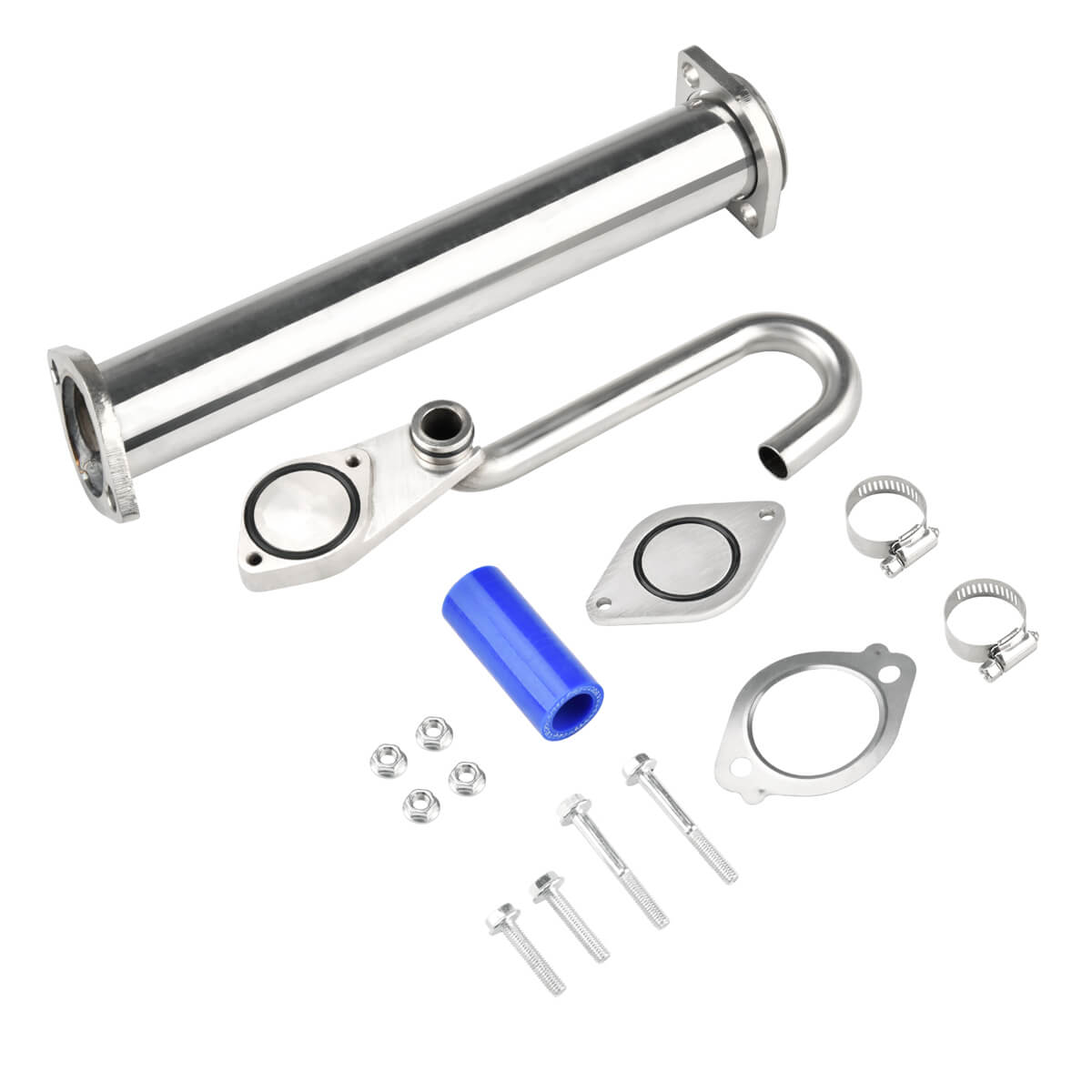
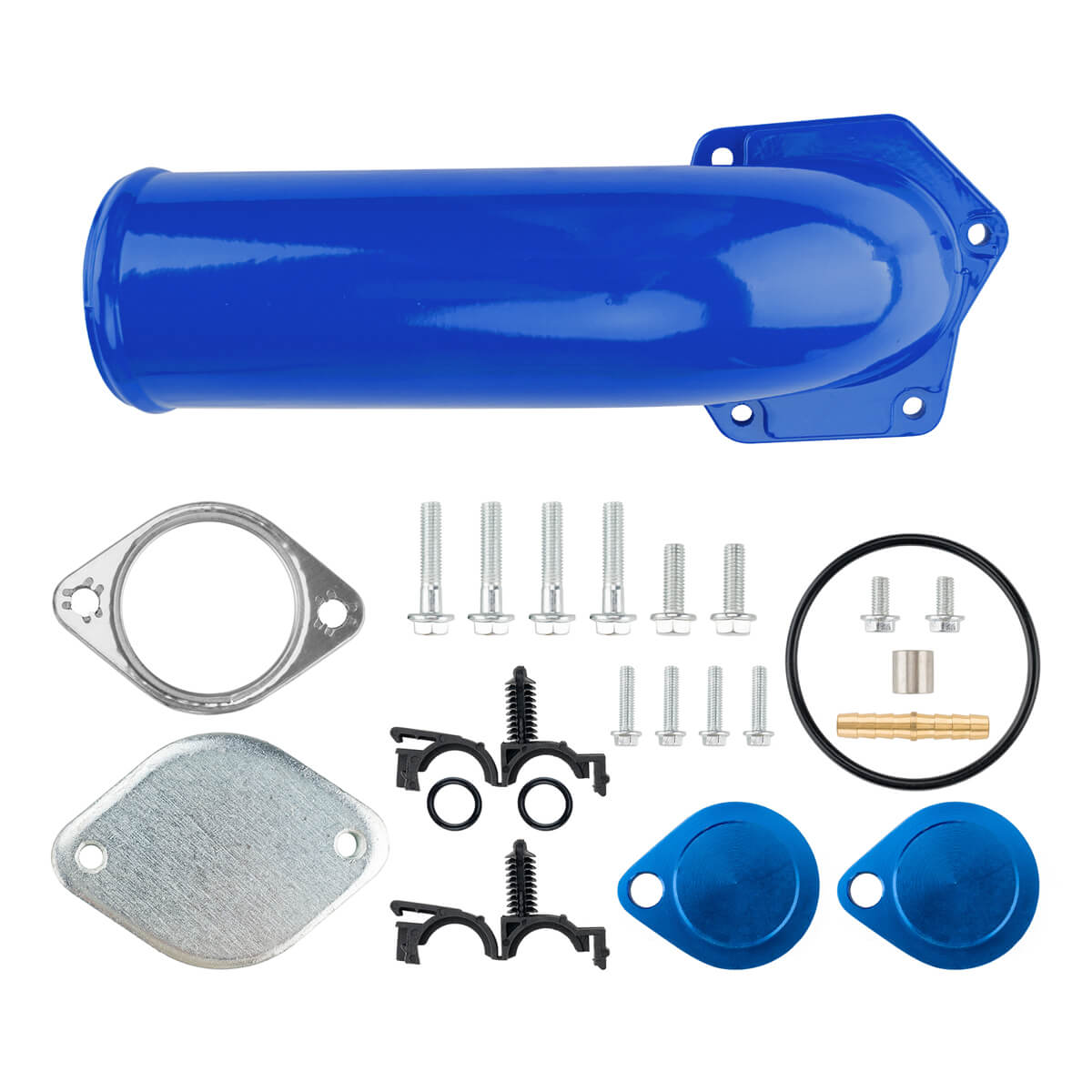
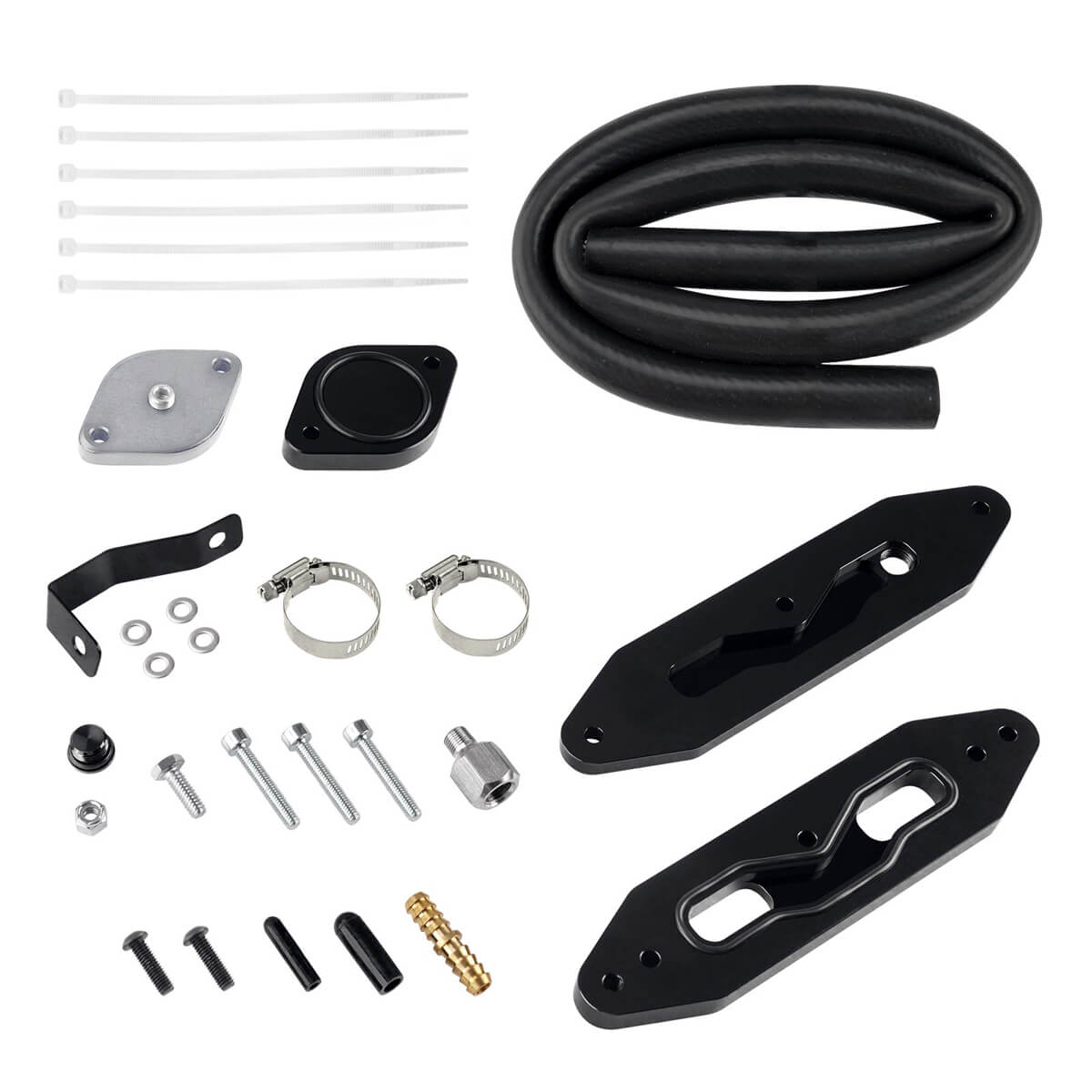
EGR Delete Kit
View More

The 6.0 Powerstroke engine was introduced in 2003 and brought major technology changes to Ford’s diesel lineup. It added a variable geometry turbocharger, an EGR system, and an updated fuel injection system. While it offered stronger output than the 7.3L, it is also widely known for reliability concerns, making it one of the most commonly researched Powerstroke engine generations.

Typical Specs

  • Manufacturer: Navistar
  • Horsepower: 325 hp
  • Torque: 570 lb-ft

Common Problems

  • Head gasket failure
  • Head bolt issues
  • Turbo vane sticking caused by carbon buildup
  • Cracked degas bottle
  • Oil cooler restriction
  • EGR system failure

Typical Upgrade Paths

  • EGR-related upgrades
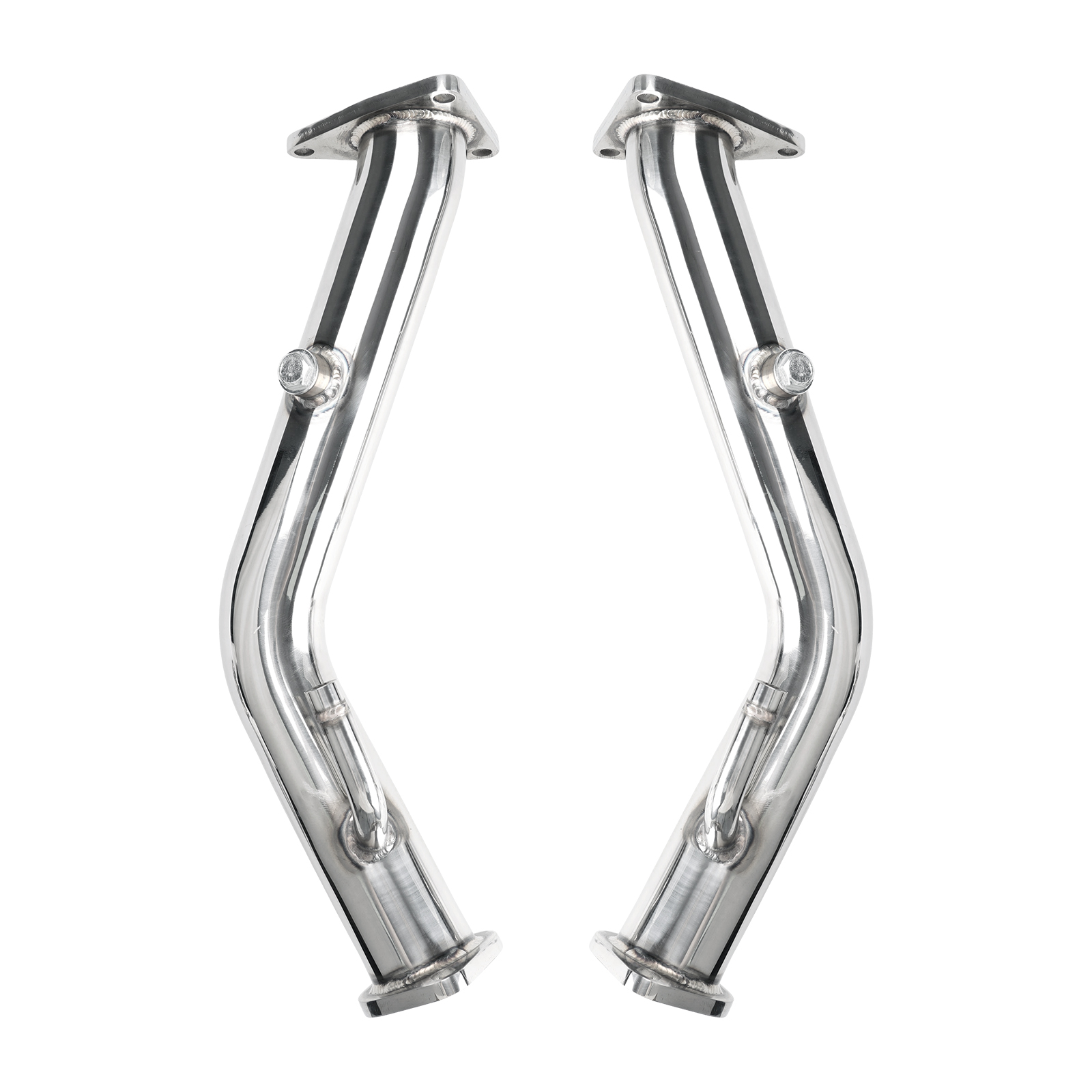
  • Exhaust manifold and header upgrades
  • All-in-one kits for a more complete setup
  • Supporting cooling and airflow upgrades

6.4L V8 Powerstroke (2008-2010)

Diesel All-in-One-Kit
View More
DPF Delete Kit
View More
EGR Delete Kit
View More

The 6.4 Powerstroke engine launched in 2008 as a cleaner, quieter, and more powerful successor to the 6.0L. Based on the Navistar MaxxForce 7, it introduced new emissions equipment, including the DPF system, to meet tighter EPA standards. It offered a clear improvement in stock power, but it also became known for higher running costs and several well-documented reliability issues.

Typical Specs

  • Regulations: EPA Tier 2
  • Manufacturer: Navistar
  • Horsepower: 350 hp
  • Torque: 650 lb-ft

Common Problems

  • Radiator leaks
  • Poor fuel economy related to regeneration cycles
  • Oil dilution
  • Up-pipe failure
  • Piston-related failures
  • EGR cooler restriction
  • DPF-related issues

Typical Upgrade Paths

  • Exhaust-side upgrades
  • EGR-related upgrade parts
  • DPF-related upgrade paths where applicable
  • All-in-one kits for buyers who want a more complete solution

6.7L V8 Powerstroke (2011–Present)

Diesel All-in-One-Kit
View More
DPF Delete Kit
View More
EGR Delete Kit
View More
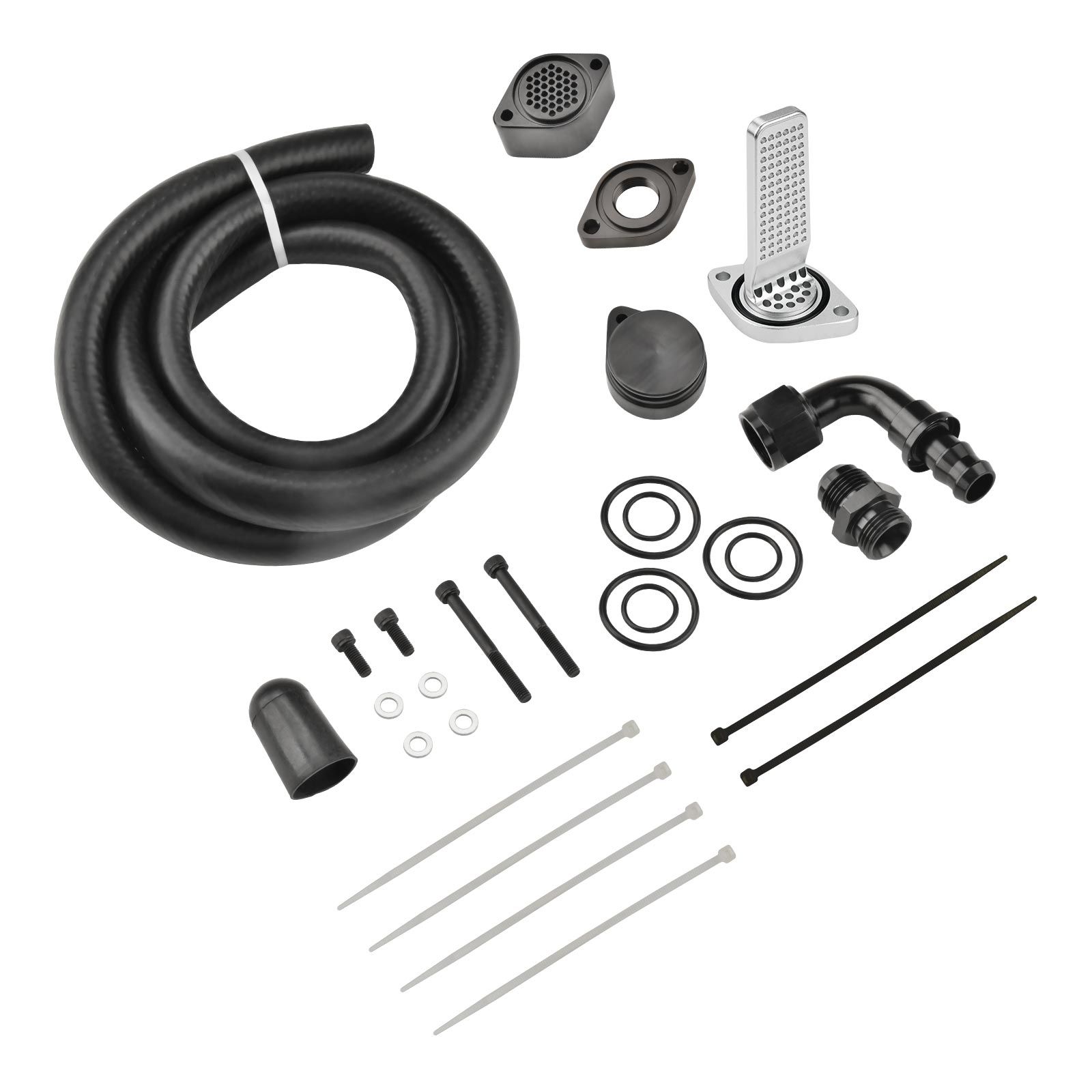
CCV/PCV Reroute Kit
View More

The 6.7 Powerstroke engine marked a major turning point for Ford diesel technology. Introduced in 2011, it moved to an in-house Ford design and delivered much stronger output, better refinement, and more advanced fuel and emissions control systems. Today, the 6.7 Powerstroke engine remains one of the most searched diesel platforms in the market, especially among Ford F250 Super Duty and Ford F350 Super Duty owners.

First Generation: 6.7L Powerstroke (2011–2016)

The first-generation 6.7 Powerstroke introduced a compacted graphite iron block, high-pressure common-rail fuel injection, and a new turbocharger setup. It set a new standard for Ford diesel power, but early trucks still developed a few common issues over time.

Typical Specs
  • Regulation: EPA Tier 2
  • Manufacturer: Ford
  • Horsepower: 390 hp
  • Torque: 735 lb-ft
Common Problems
  • EGR cooler carbon buildup
  • NOx sensor failure
  • Exhaust manifold cracking
Typical Upgrade Paths
  • EGR-related upgrades
  • DPF-related upgrade paths where applicable
  • Exhaust manifold upgrades
  • Supporting airflow and tuner-related upgrades

Second Generation: 6.7L Powerstroke (2017–2019)

The 2017–2019 6.7 Powerstroke received important improvements in durability, power, and overall refinement. These updates addressed many earlier concerns and helped make this generation one of the most popular choices for towing-focused heavy-duty Ford truck owners.

Typical Specs
  • Regulations: EPA Tier 3
  • Horsepower: 440 hp
  • Torque: 925 lb-ft

Third Generation: 6.7L Powerstroke (2020–Present)

The current 6.7 Powerstroke generation represents the most advanced stage of Ford’s Powerstroke diesel lineup. It delivers even stronger power and torque, especially in higher-output configurations, and remains a leading option in the heavy-duty diesel truck segment.

Typical Specs
  • Regulations: EPA Tier 4
  • Horsepower: 475 hp
  • Torque: 1,050 lb-ft

Installation

Common Installation Tools:

1. Disassembly and Assembly: Sockets, wrenches, screwdrivers, torque wrenches, and specialized tools for special accessories (e.g., fuel injectors)

2. Auxiliary Tools: Rust remover, cleaning agent, sealant, cutter, jack

3. Protection: Gloves, goggles

4. Measuring: Tape measure, vernier caliper

5. Data Stream: OBD II Equipment

Installation Precautions:

1. Avoid working with high temperatures to prevent burns

After the vehicle is turned off, allow high-temperature components, such as the exhaust system, to cool sufficiently (approximately 30 minutes) before disassembly or assembly.

2. Perform rust removal in advance

Screws on conventional high-temperature components and chassis components are prone to rust. Before disassembly, perform necessary rust removal to prevent screws from sticking.

3. Wear protective equipment

For example, when performing exhaust pipe modifications and cutting, wear safety goggles and maintain proper isolation to prevent sparks from causing accidents.

4. Environmental Protection

After DIY maintenance or modifications, waste oil, coolant, etc. should be disposed of at designated recycling stations.

For detailed step-by-step instructions specific to Powerstroke diesel trucks, please visit our Installation Instructions.

FAQs

The main Ford Powerstroke generations include the 7.3L Powerstroke, 6.0L Powerstroke, 6.4L Powerstroke, and 6.7L Powerstroke engine families. Each generation differs in design, output, emissions systems, and common upgrade paths.
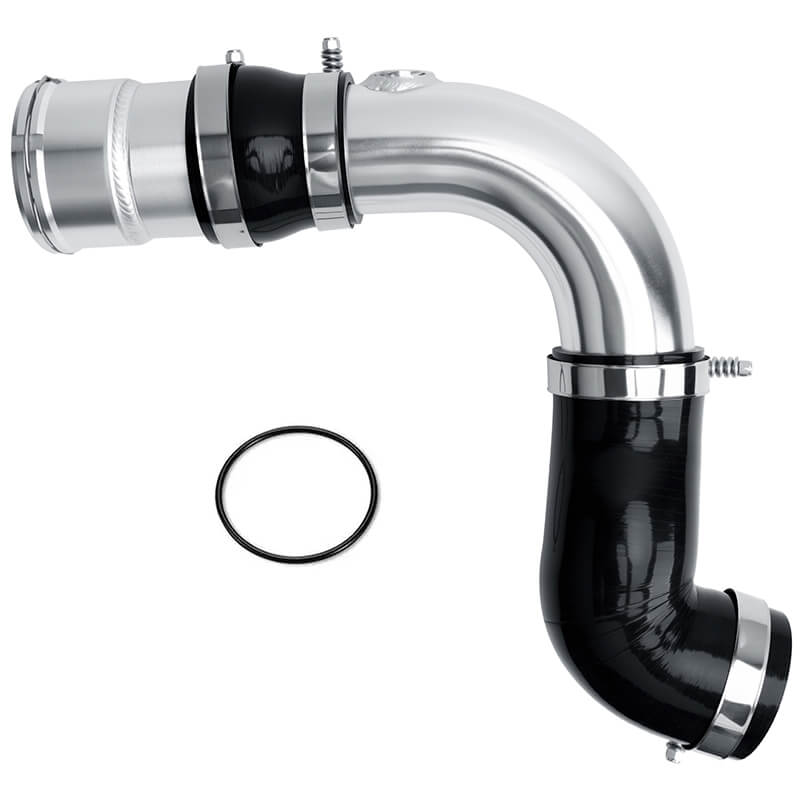
Common Powerstroke diesel upgrades include exhaust-side parts, EGR-related upgrades, DPF-related upgrade paths where applicable, CCV reroute kits, manifolds, headers, intercooler pipe kits, and supporting tuner solutions.
The best 6.7 Powerstroke delete kit depends on your truck’s exact year range, your supporting hardware, and the build goal.
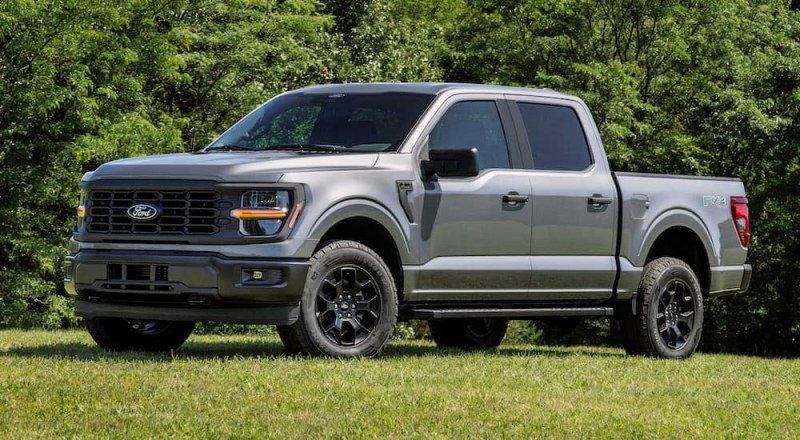
Powerstroke diesel engines are commonly found in Ford heavy-duty trucks, including the Ford F250 Super Duty, Ford F350 Super Duty, and in many applications, F450 and F550 models.
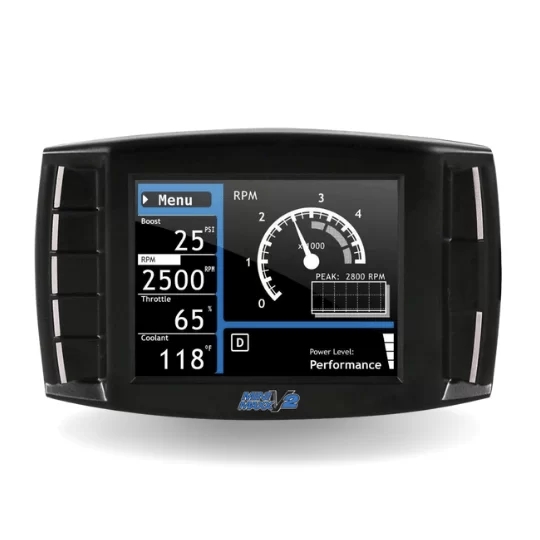
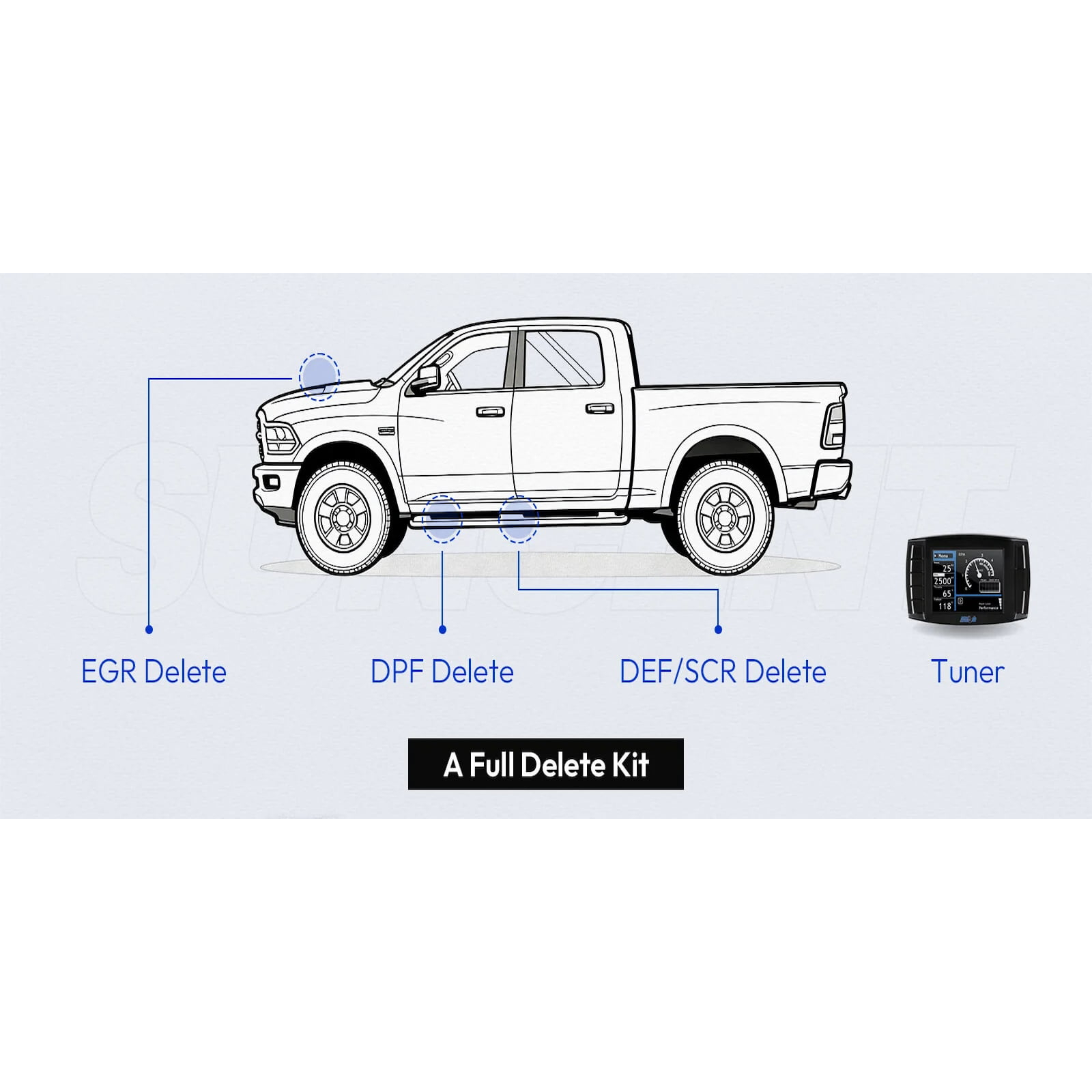
Yes. After installing a DPF delete kit or EGR delete kit, a tuner is required to disable fault codes and optimize engine performance. Most all-in-one kits include a compatible tuner.
DPF delete kits, EGR delete kits, and CCV reroute kits are intended for off-road, racing, or competition use only. Please check your local emissions regulations before purchasing.

Blogs

May 20, 2025
by SuncentAuto Staff
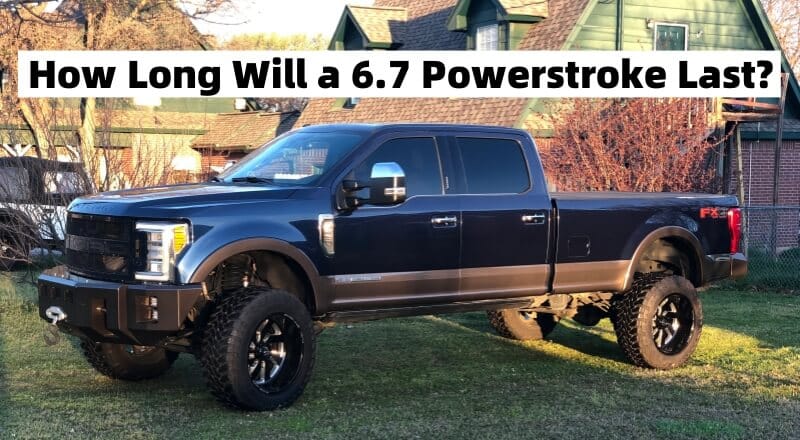
6.7 Powerstroke Life Expectancy: How Many Miles Can It Last?
Jul 11, 2025
by SuncentAuto Staff
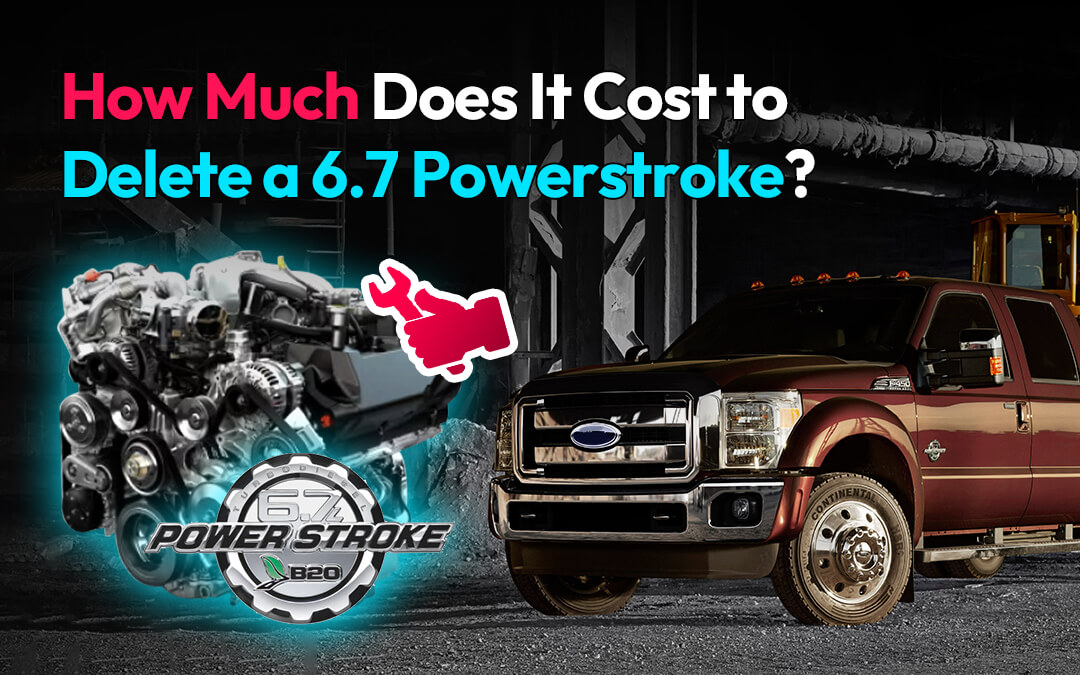
How Much Does It Cost to Delete a 6.7 Powerstroke? Full Guide
May 15, 2025
by SuncentAuto Staff
Ford 6.7 Powerstroke Reliability: Model Year Breakdown
May 20, 2025
by SuncentAuto Staff
6.7 Powerstroke Life Expectancy: How Many Miles Can It Last?
View More
Why Choose SuncentAuto?

SuncentAuto was built in 2018 by experienced automotive experts, who are into the automotive industry for more than two decades.

With the team's mindful innovations, users enjoy advanced exhaust performance products, improving overall driving experience.

Specialized R&D Team
Value for Money
Exceptional Customer Service